Outdoor Seating in Saratoga Springs Restaurants: Enhancing Dining Experiences
Saratoga Springs, known for its vibrant dining scene, offers a unique allure with its picturesque landscapes and historic architecture. Outdoor seating has become a pivotal aspect of the local restaurant experience, providing patrons with breathtaking views while enjoying their meals. This innovative approach not only adds aesthetic appeal but significantly impacts customer satisfaction and business growth.
What is Outdoor Seating in Saratoga Springs Restaurants?
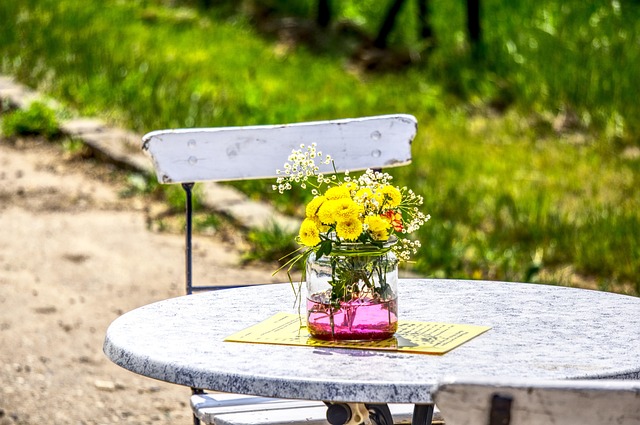
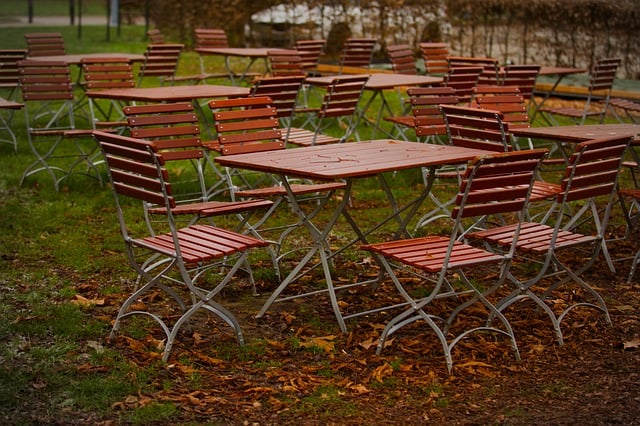
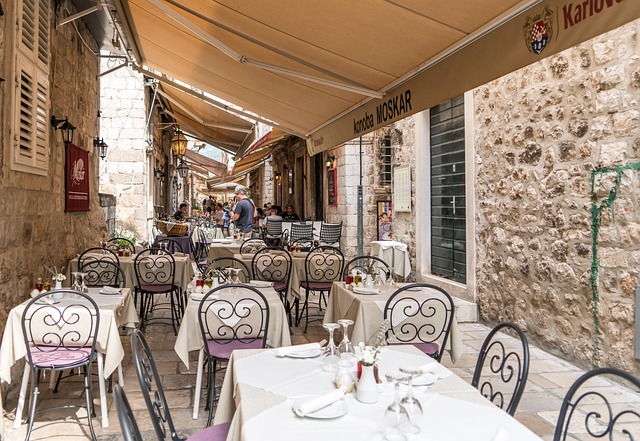
Outdoor seating in Saratoga Springs restaurants refers to the practice of setting up dining areas outdoors, typically in patios, gardens, or along pedestrian-friendly streets. These spaces offer diners a chance to connect with nature, enjoy fresh air, and immerse themselves in the charming ambiance of the city while savoring locally sourced cuisine.
Why it Matters:
- Attracts Customers: Outdoor seating provides a distinct dining experience, drawing both locals and tourists who seek unique, picturesque spots for meals.
- Increases Revenue: By expanding seating capacity outdoors, restaurants can accommodate more patrons, leading to higher sales and improved profitability.
- Promotes Local Economy: Encouraging outdoor dining supports local businesses, contributing to the overall economic vitality of Saratoga Springs.
Frequently Asked Questions (FAQs):
1. What are the Benefits of Outdoor Seating for Restaurants?
- Attracts a Larger Customer Base: Outdoor dining is a sought-after experience, attracting patrons who appreciate al fresco dining, especially during warmer months.
- Enhanced Customer Satisfaction: Research shows that outdoor seating can increase customer satisfaction by 20-30%, with diners often citing the ambiance and atmosphere as key contributors.
- Increased Revenue Potential: By maximizing seating capacity, restaurants can boost sales, especially during peak seasons. According to a 2021 study, outdoor seating can lead to a 15-20% increase in revenue.
- Cost-Effective Expansion: Outdoor seating offers a cost-effective way to expand, as it doesn't require significant infrastructure changes, making it accessible to various restaurant budgets.
2. How Do Restaurants Create Successful Outdoor Dining Spaces?
Successful outdoor seating requires careful planning and attention to detail:
- Choose the Right Location: Select a spot with appealing views, adequate shade, and easy access. For instance, a restaurant along the Hudson River in Saratoga Springs can offer diners a scenic river view.
- Design for Comfort: Ensure tables and chairs are comfortable and well-spaced. Consider adding heaters for extended dining hours, especially in transition seasons like spring and fall.
- Create Themed Ambiance: Use lighting, plants, and decor to create a unique atmosphere. A restaurant with a garden seating area might incorporate local flowers and string lights for a romantic ambiance.
- Menu Adaptation: Adjust the menu to suit outdoor dining. Offer lighter, refreshing options and consider local specialties that pair well with the surroundings.
3. What are the Pricing Considerations for Outdoor Seating?
- Capital Investment: Restaurants may incur costs for furniture, shade structures, landscaping, and any necessary permits. A small bistro might invest $5,000-$10,000, while larger establishments could spend up to $50,000.
- Operational Costs: Consider ongoing expenses like maintenance, cleaning, and pest control. Seasonal variations in pricing for outdoor dining can impact profitability.
- Pricing Strategy: Restaurants can mitigate costs by offering discounted outdoor meals during quieter periods. For instance, a "Happy Hour on the Patio" promotion can attract customers without significant markups.
4. How Does Outdoor Seating Impact Customer Experience?
- Immersive Dining: Outdoor seating transports diners to a different environment, fostering a sense of escape and relaxation. This can enhance meal enjoyment and create lasting memories.
- Social Gathering Space: Outdoor dining areas encourage social interactions, making them ideal for family gatherings and friend meetups. A study by the National Restaurant Association revealed that 73% of diners prefer outdoor dining for social occasions.
- Sustainability: Al fresco dining promotes sustainability as it often reduces energy consumption compared to indoor dining, contributing to a restaurant's eco-friendly reputation.
5. What Are Some Creative Outdoor Seating Designs?
- Open-Air Kitchens: Some restaurants create open-air kitchens, offering diners a view of the culinary process, which can be a unique selling point.
- Shared Tables: Shared seating areas, popular in European-style cafes, encourage a sense of community and can accommodate larger groups.
- Elevated Patios: Building raised patios can provide better views and a more private dining experience.
- Tents and Canopies: These structures offer shade and protection from the elements while maintaining an open, airy feel.
6. How Do Restaurants Manage Outdoor Dining During Different Seasons?
- Spring and Fall: Extend dining hours as the weather warms up. Use seasonal decor and menu items to create a fresh, appealing atmosphere.
- Summer: Implement cooling solutions like misters or fans for comfort. Offer cold beverages and lighter meals to cater to warmer weather preferences.
- Winter: Create a cozy, inviting space with heaters, blankets, and warm, comforting foods. Some restaurants in Saratoga Springs have successfully adapted their outdoor spaces for winter dining.
7. What are the Legal and Safety Considerations for Outdoor Seating?
- Permits and Licenses: Restaurants must obtain necessary permits for outdoor dining, ensuring compliance with local health and safety regulations.
- Shade and Shelter: Provide adequate shade to protect patrons from the sun. In snowy regions, ensure proper snow removal to prevent accidents.
- Safety Equipment: Have fire extinguishers and first aid kits readily available. Follow local guidelines for food handling and storage.
- Accessibility: Ensure outdoor spaces are accessible to all, including those with disabilities. Provide ramps and alternative seating options.
8. How Does Outdoor Seating Compare to Indoor Dining?
Comparison Table:
|
Outdoor Seating |
Indoor Dining |
| Atmosphere |
Tranquil, natural surroundings, potential for romantic or social ambiance |
Controlled environment, may lack natural light and outdoor views |
| Capacity |
Limited by outdoor space, often more intimate |
Can accommodate larger groups, more flexible layout |
| Seasonal Availability |
Seasonally dependent, can be closed during harsh weather |
Open year-round, unless facing extreme conditions |
| Cost |
Initial setup costs can vary, ongoing maintenance required |
Higher infrastructure costs, less variable for maintenance |
| Customer Experience |
Immersive, relaxed, connection with nature |
Comfortable, controlled, potentially less distracted |
Advantages of Outdoor Seating:
- Increased customer engagement and satisfaction
- Cost-effective expansion
- Attracts a diverse customer base
- Promotes sustainability
Advantages of Indoor Dining:
- Control over temperature and ambiance
- Year-round accessibility
- More space for large groups
- Easier to maintain consistent service
9. What Are Some Real-World Examples of Successful Outdoor Dining?
- The Hangar (Saratoga Springs): This former hangar has been transformed into a stunning outdoor dining space, offering a unique industrial-meets-natural setting. Their creative menu and immersive experience attract diners from across the region.
- Café on the Green (Ballston Spa): Known for its picturesque location, this cafe utilizes its garden to create a charming outdoor dining area. Their focus on local produce and friendly service has made it a local favorite.
- River Street Diner (Saratoga Springs): With a patio overlooking the Hudson River, this diner offers a classic American menu with a modern twist. Their outdoor seating is a top choice for scenic dining.
10. How Can Restaurants Implement Outdoor Seating Effectively?
Step-by-Step Guide:
- Assess Space and Needs: Evaluate your restaurant's outdoor area, considering size, shade, and accessibility. Identify the potential for creating a unique dining experience.
- Plan the Layout: Designate seating areas, considering comfort and flow. Include tables, chairs, and shade structures suitable for your space.
- Menu Adaptation: Revise your menu to complement outdoor dining. Offer refreshing drinks and dishes that pair well with the surroundings.
- Decor and Ambiance: Create a themed atmosphere with lighting, plants, and decor. Use natural elements to connect with the outdoor setting.
- Obtain Permits: Research and obtain necessary permits for outdoor dining, ensuring compliance with local regulations.
- Market the Experience: Promote your outdoor seating through social media, local advertising, and word-of-mouth. Highlight the unique ambiance and dining opportunities.
- Train Staff: Ensure staff are equipped to handle outdoor dining, including menu knowledge and customer service in various weather conditions.
- Monitor and Adjust: Regularly assess the outdoor dining experience, gathering customer feedback. Make adjustments to improve satisfaction and retention.
11. What Are the Benefits of Outdoor Dining for Customers?
- Unique Experience: Outdoor dining offers a break from the ordinary, providing a memorable dining experience.
- Connection with Nature: Patrons can enjoy fresh air, natural scenery, and a sense of tranquility, enhancing their overall well-being.
- Social Interaction: Outdoor seating encourages social gatherings, fostering a sense of community and connection.
- Seasonal Variety: Diners can enjoy al fresco dining year-round, experiencing diverse outdoor atmospheres.
12. How Do Outdoor Dining Spaces Impact a Restaurant's Bottom Line?
- Increased Revenue: By maximizing seating capacity and attracting new customers, outdoor dining can significantly boost revenue, especially during peak seasons.
- Reduced Empty Tables: Outdoor seating spaces can fill up quickly, minimizing instances of empty tables and maximizing profit potential.
- Extended Season: Effective outdoor dining strategies can extend the dining season, providing revenue streams well into the colder months with proper adaptations.
- Cost Savings: In some cases, outdoor dining can reduce energy costs associated with indoor heating and lighting.
13. What Are the Challenges of Outdoor Dining, and How Can Restaurants Overcome Them?
- Weather Dependence: Unpredictable weather can impact dining. Restaurants can overcome this by:
- Offering indoor seating options with similar ambiance.
- Implementing seasonal menus and promotions for different weather conditions.
- Providing heaters and shelter for extended dining hours.
- Insects and Pests: Outdoor dining may attract insects. Solutions include:
- Using natural repellents and planting insect-repelling plants.
- Installing screens and covering dining areas when necessary.
- Limited Space: Some restaurants face space constraints. Creative solutions:
- Vertical gardening and raised beds to maximize space.
- Shared tables for a communal feel.
14. How Do Outdoor Dining Spaces Contribute to Community Engagement?
- Local Events: Outdoor seating areas can host local events, farmers' markets, and community gatherings, fostering a sense of place and supporting local businesses.
- Charitable Fundraisers: Restaurants can organize outdoor dining fundraisers, attracting patrons and giving back to the community.
- Community Art Displays: Partnering with local artists to showcase their work in outdoor spaces can attract visitors and support the arts.
- Interactive Experiences: Offer interactive activities like live music, art workshops, or outdoor movie nights to engage the community.
15. What Are the Environmental Benefits of Outdoor Dining?
- Reduced Carbon Footprint: Outdoor dining can decrease energy consumption compared to indoor dining, contributing to a restaurant's sustainability goals.
- Waste Reduction: Local sourcing and seasonal menus can minimize food waste, while outdoor composting can reduce organic waste.
- Water Conservation: Efficient irrigation systems and local plants can help conserve water, especially in regions with water scarcity.
- Attracting Eco-Conscious Patrons: Outdoor dining appeals to environmentally conscious diners, fostering brand loyalty.
Conclusion:
Outdoor seating in Saratoga Springs restaurants is more than just a dining trend; it's a strategic move to enhance customer experiences, increase revenue, and contribute to the vibrant local economy. By understanding the benefits, challenges, and best practices, restaurants can create successful outdoor dining spaces that thrive year-round. This innovative approach not only captivates diners but also solidifies Saratoga Springs as a premier destination for culinary and cultural experiences.
February 25, 2026
Outdoor seating Saratoga Springs restaurants
Outdoor seating Saratoga Springs restaurants excel at integrating natural tranquility with urban dining experiences. Hidden gems like The Coat Room sh.......
Read more →
February 23, 2026
Outdoor seating Saratoga Springs restaurants
Saratoga Springs boasts a vibrant culinary scene with an abundance of outdoor seating options, particularly during summer. Notable restaurants like Th.......
Read more →
February 21, 2026
Outdoor seating Saratoga Springs restaurants
Saratoga Springs restaurants offer diverse outdoor seating experiences, from charming patios to grand terraces with creative designs. Many cater to fa.......
Read more →
February 19, 2026
Outdoor seating Saratoga Springs restaurants
Saratoga Springs offers a vibrant outdoor seating Saratoga Springs restaurants naturally scene with hidden garden gems. These spaces blend culinary de.......
Read more →
February 17, 2026
Outdoor seating Saratoga Springs restaurants
Saratoga Springs restaurants offer premier outdoor seating experiences with picturesque riverfront locations and diverse patio options. Embracing loca.......
Read more →
February 15, 2026
Outdoor seating Saratoga Springs restaurants
Saratoga Springs restaurants offer exceptional outdoor seating experiences, blending Italian cuisine with natural surroundings. Key features include c.......
Read more →
February 13, 2026
Outdoor seating Saratoga Springs restaurants
Outdoor seating Saratoga Springs restaurants naturally thrive by blending scenic beauty with thoughtful design. Key elements include kid-friendly spac.......
Read more →
February 11, 2026
Outdoor seating Saratoga Springs restaurants
Saratoga Springs' Summer Concert Series and outdoor dining scene offer a unique blend of music, cuisine, and natural surroundings. Outdoor seatin.......
Read more →
February 9, 2026
Outdoor seating Saratoga Springs restaurants
Saratoga Springs restaurants offer exceptional outdoor seating experiences, seamlessly blending culinary delights with natural beauty. Key attractions.......
Read more →
February 7, 2026
Outdoor seating Saratoga Springs restaurants
Outdoor seating Saratoga Springs restaurants offer a unique dining experience, blending natural beauty with culinary delights. From peaceful garden se.......
Read more →